
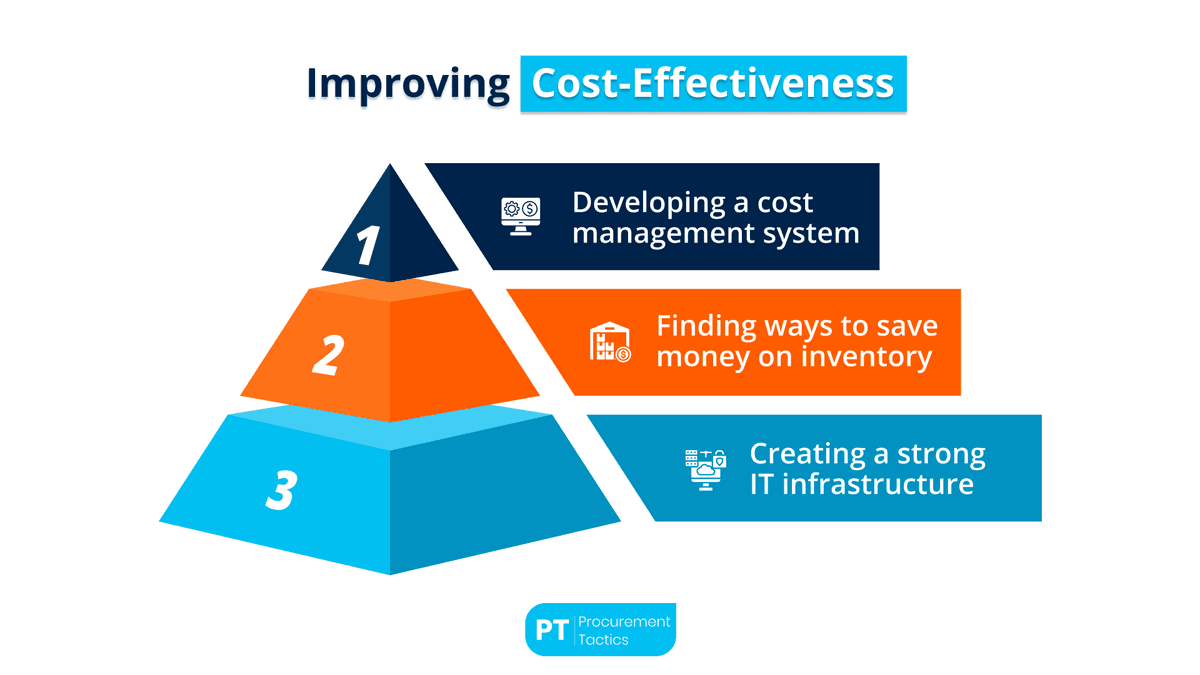
Most organizations are overspending on IT infrastructure. Underutilized servers consume electricity and space. Redundant systems waste resources. Legacy hardware nears end-of-life. Infrastructure optimization addresses these inefficiencies, delivering cost savings and improved performance.
The Optimization Opportunity
Many organizations never baseline their infrastructure. They don't know what systems consume most resources. They don't track utilization. They replace equipment reactively when failures occur rather than proactively. This results in waste and poor performance.
Assessment & Baseline
Optimization begins with comprehensive assessment. What hardware exists? What's its age and condition? How is it being utilized? What are performance metrics? This creates a baseline against which improvements are measured.
Consolidation & Virtualization
Server virtualization is mature technology that delivers significant benefits. Multiple virtual servers run on fewer physical servers. Utilization increases. Costs decrease. Flexibility improves. Disaster recovery becomes easier. Good candidates for virtualization are identified and systematically migrated.
Storage Optimization
Storage consumes significant IT budget and energy. Much stored data is inactive or redundant. Archival strategies reduce active storage. Deduplication technologies eliminate duplicate data. Tiered storage, fast storage for active data, slower storage for archives, optimizes cost.
Energy Efficiency
Data centers consume enormous energy. Power costs are a major expense. Efficiency improvements, better cooling, efficient hardware, power management, reduce energy consumption by 20-40%. This benefits both costs and environmental sustainability.
Network Optimization
Network infrastructure often has excess capacity while other areas are constrained. Traffic analysis identifies bottlenecks. Bandwidth is redistributed where needed. Aging equipment is upgraded. Cloud connectivity is optimized. These changes improve performance while controlling costs.
Ongoing Optimization
Infrastructure optimization isn't a one-time project. Technology evolves. Usage patterns change. Ongoing monitoring and optimization keeps systems running efficiently. Regular assessments identify new opportunities for improvement.