
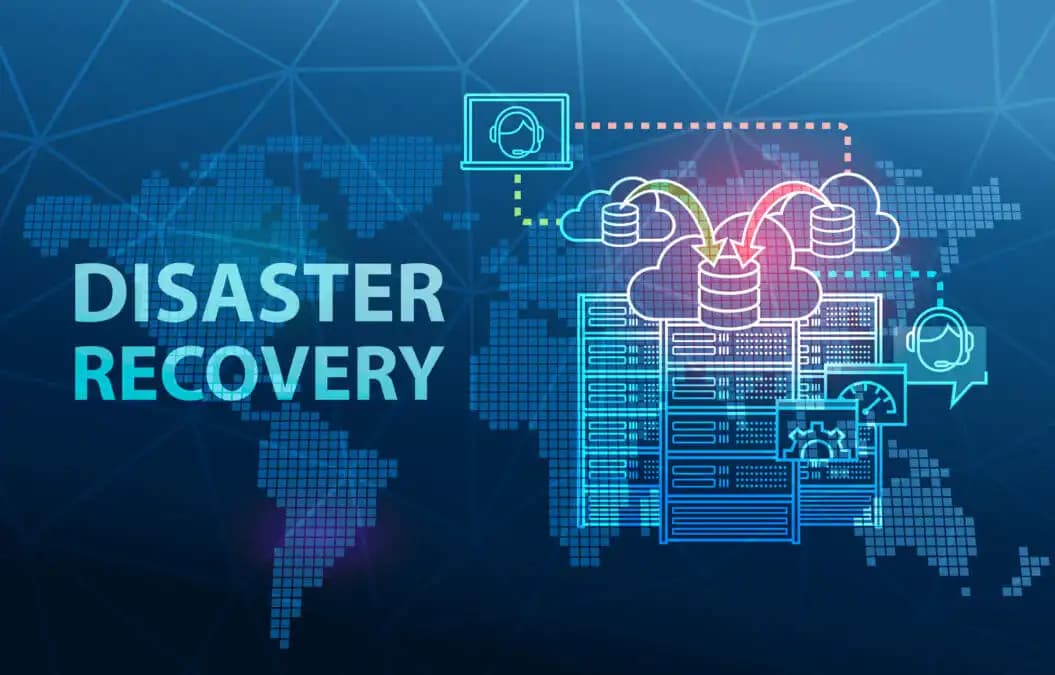
Disaster strikes without warning. A data center catches fire. A ransomware attack encrypts critical systems. A natural disaster makes facilities inaccessible. Cyber attacks delete backups. Hardware fails simultaneously. Software bugs corrupt databases. These events seem unlikely until they happen to you. Organizations without disaster recovery plans suffer catastrophic business impact. Critical data is lost. Customers can't access services. Operations grind to a halt. Recovery takes weeks or months. Managed IT services provide disaster recovery planning and implementation, ensuring business continuity when crisis occurs.
The Cost of Unplanned Downtime
Downtime is expensive. Manufacturing plants lose production. Retailers lose sales. Software companies lose service revenue. Healthcare facilities delay patient care. Airlines can't book flights. Banks can't process transactions. When systems are unavailable, customers are impacted. They may switch to competitors. Regulatory fines may occur. Reputational damage can be severe. A one-day outage for a mid-size company costs hundreds of thousands of dollars. A week-long outage can cost millions. Major financial institutions have experienced outages costing $10+ million per hour. Yet many organizations have no disaster recovery plan. They assume disasters won't happen or that recovery will be quick. When disaster strikes, they discover their assumptions were catastrophically wrong.
Recovery Time Objective and Recovery Point Objective
Effective disaster recovery planning requires defining two key metrics. Recovery Time Objective (RTO) is how long the business can tolerate systems being down. For some businesses, even an hour of downtime is unacceptable, their RTO is 15 minutes. For others, a day of downtime is acceptable, their RTO is 24 hours. Recovery Point Objective (RPO) is how much data loss is acceptable. If RPO is one hour, systems should be backed up every hour. If RPO is one day, daily backups are sufficient. These metrics drive disaster recovery architecture. Systems with tight RTOs and RPOs require more sophisticated (and expensive) solutions. Managed services help organizations define these metrics realistically. They then implement solutions that meet these objectives cost-effectively.
Backup Architecture and Testing
Backups are essential but not sufficient. Data must be backed up to an alternate location, not the same facility. If a fire destroys the data center, all data is lost if backups are on site. Backups should be immutable, after being written, they can't be modified or deleted. This protects against ransomware that attempts to delete backups. Backups should be regularly tested. Many organizations assume backups are working until disaster strikes, and then discover backups are corrupted. Managed services implement robust backup architecture. Systems are backed up continuously or at frequent intervals. Backups are replicated to geographically separated facilities. Backup integrity is continuously verified. Backups are tested regularly. Organizations know with certainty that backups will restore successfully when needed.
Replication and Failover
For systems with tight RTOs, replication is more effective than backups. Replication continuously mirrors data to a secondary site. If primary systems fail, failover to the secondary site happens automatically or with minimal manual intervention. Unlike backup restoration which takes hours or days, failover takes minutes. Recovery time improves from hours to minutes. For critical systems, managed services implement active-active replication. Both primary and secondary sites are active and receiving traffic. If one fails, the other continues seamlessly. Users experience no disruption. This approach is sophisticated and expensive, but necessary for systems where minutes of downtime cause significant business impact.
Runbook Documentation and Drills
Disaster recovery requires documented procedures. What systems must be restored first? In what order? What are the connection strings for secondary databases? How do we update DNS to point to alternate servers? Undocumented recovery procedures fail because critical information is missing. Managed services create comprehensive disaster recovery runbooks. These documents define exactly what to do when disaster strikes. They include step-by-step procedures. They list all connection strings and passwords. They define who authorizes decisions. Regular drills test the runbooks. Roles are assigned. Procedures are executed. Problems are identified and fixed before real disaster. These drills increase confidence that recovery will succeed under crisis pressure.
Business Continuity Planning
Disaster recovery is IT-focused, but business continuity is broader. Can employees work from alternate locations? Is customer support available? Are vendors available? Can you continue critical business processes? Business continuity planning considers all these factors. Managed services often contribute to business continuity planning by identifying which systems are critical and what recovery looks like. This helps organizations understand how to continue operations during extended outages. It identifies gaps in planning. It guides contingency decisions.